Water stress changes the role of wastewater treatment
Periods of drought, local restrictions on water use and pressure on freshwater resources make industrial water management more strategic. Wastewater treatment is no longer only about discharge compliance. It increasingly becomes part of a broader resilience concept.
For industrial sites and landfills, this means that fluctuating feed quality, high conductivity, organic load, scaling potential and changing volumes must be considered early in the design of a treatment system.
Difficult streams need robust process design
Standard treatment packages can reach their limits when wastewater contains high salt loads, refractory organic compounds or strong seasonal variation. A robust concept starts with water analysis, treatment targets and realistic operating conditions.
Membrane processes such as reverse osmosis, combined with suitable pre-treatment and cleaning strategies, can help recover water, reduce discharge loads and support more reliable operation.
Where ROTREAT fits in
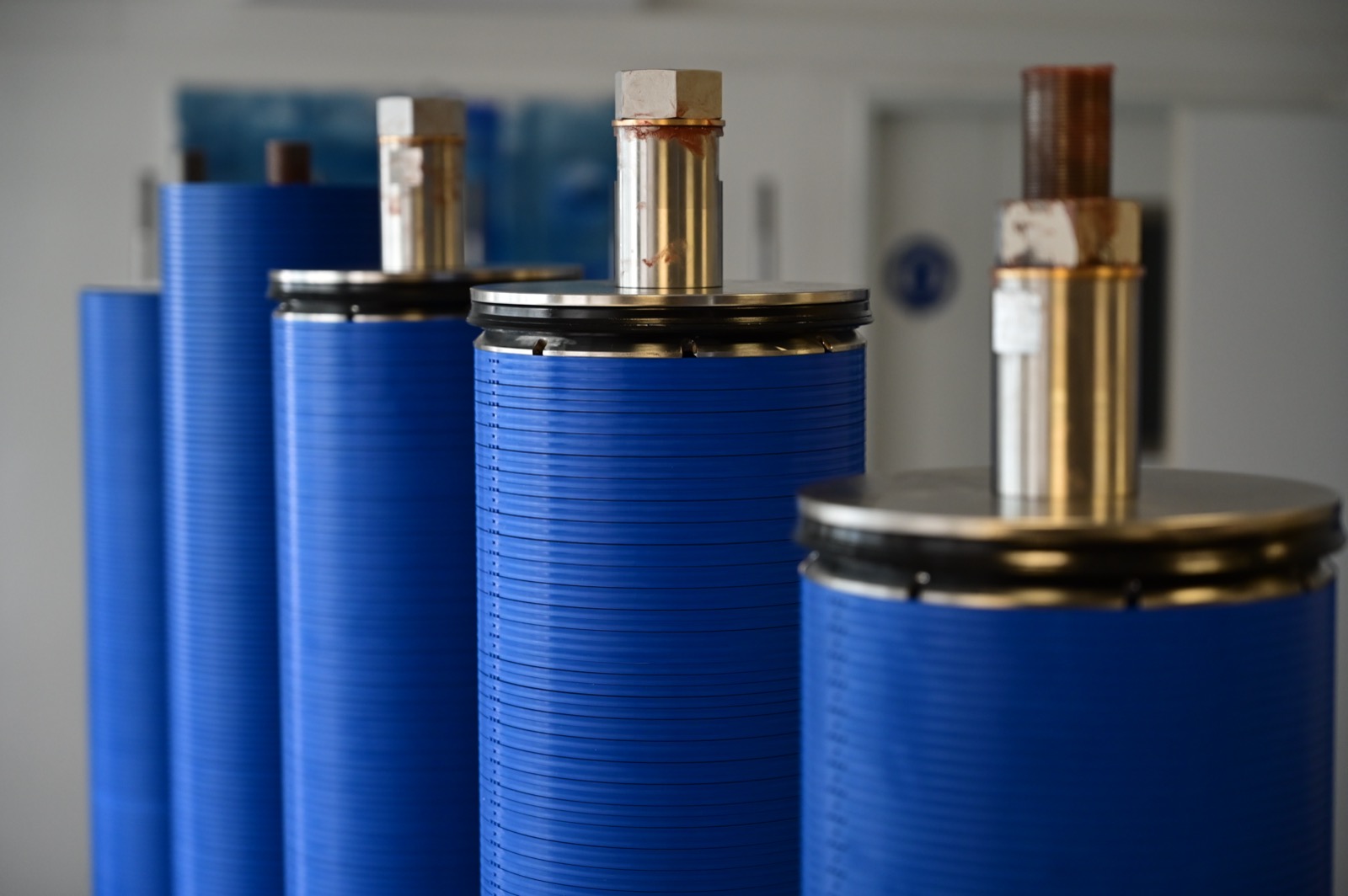
ROTREAT focuses on membrane-based treatment concepts for demanding wastewater streams, including landfill leachate, industrial wastewater and modular plant applications. RCDT disc tube reverse osmosis, MBR concepts and practical service access are combined according to the actual water and project requirements.
The goal is not to force every stream into a standard package. The goal is to define a maintainable treatment concept that remains robust when water quality and operating conditions change.